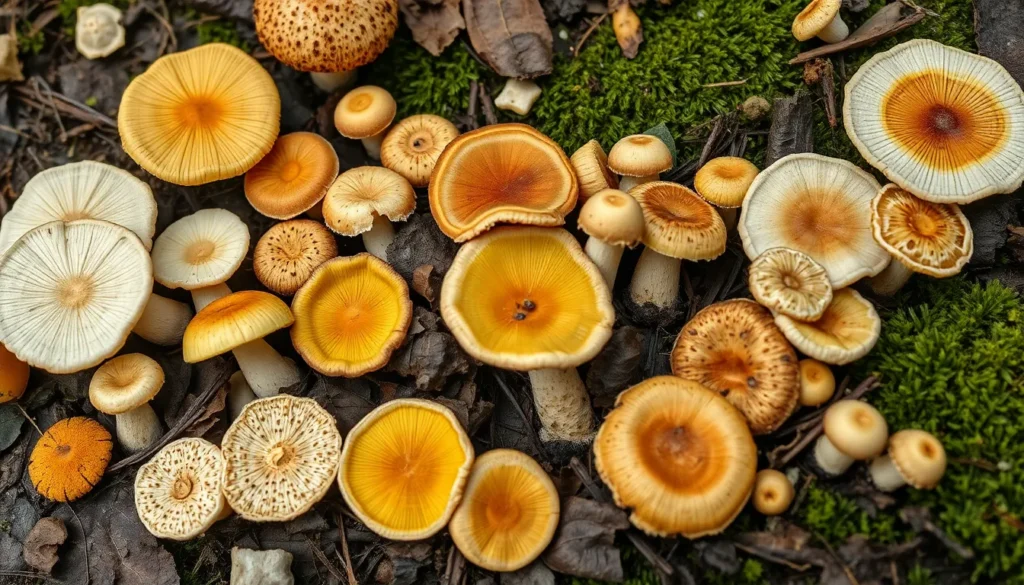
When you think of fungi, you might picture a delicious mushroom on your pizza or that mysterious mold lurking in the back of your fridge. But have you ever wondered what makes these organisms tick? Spoiler alert: it’s all about the cell wall. Yes, fungi do have a cell wall, and it’s not just for decoration.
Overview of Fungi
Fungi encompass a diverse group of organisms, separate from plants and animals. They play essential roles in ecosystems, breaking down organic matter and contributing to nutrient cycling. Characterized by their unique cellular structure, fungi consist of filamentous hyphae that together form a network called mycelium.
Mycelium allows fungi to absorb nutrients effectively from their environment. These organisms reproduce through spores, which can disperse over long distances, ensuring survival in various conditions. In terms of classification, fungi fall within their own kingdom, Fungi, which is distinct from other life forms.
Cell walls in fungi primarily consist of chitin, a polymer that differs from the cellulose found in plant cell walls. This composition provides structural integrity and protection against environmental stresses. Certain fungi, like yeasts, exhibit a simplified structure, often lacking extensive hyphal networks.
Fungi also engage in symbiotic relationships with other organisms, such as mycorrhizal associations with plants. These partnerships enhance nutrient absorption for both fungi and plants, showcasing the interconnectedness of ecosystems. Knowledge of fungi’s role in various habitats underscores their importance in food webs and ecological balance.
In laboratory settings, fungi are utilized for their unique biochemical properties. They contribute to antibiotic production, enzyme development, and fermentation processes in food production. Understanding fungi’s life cycles and adaptations continues to inform scientific research and applications across multiple fields.
Structure of Fungi
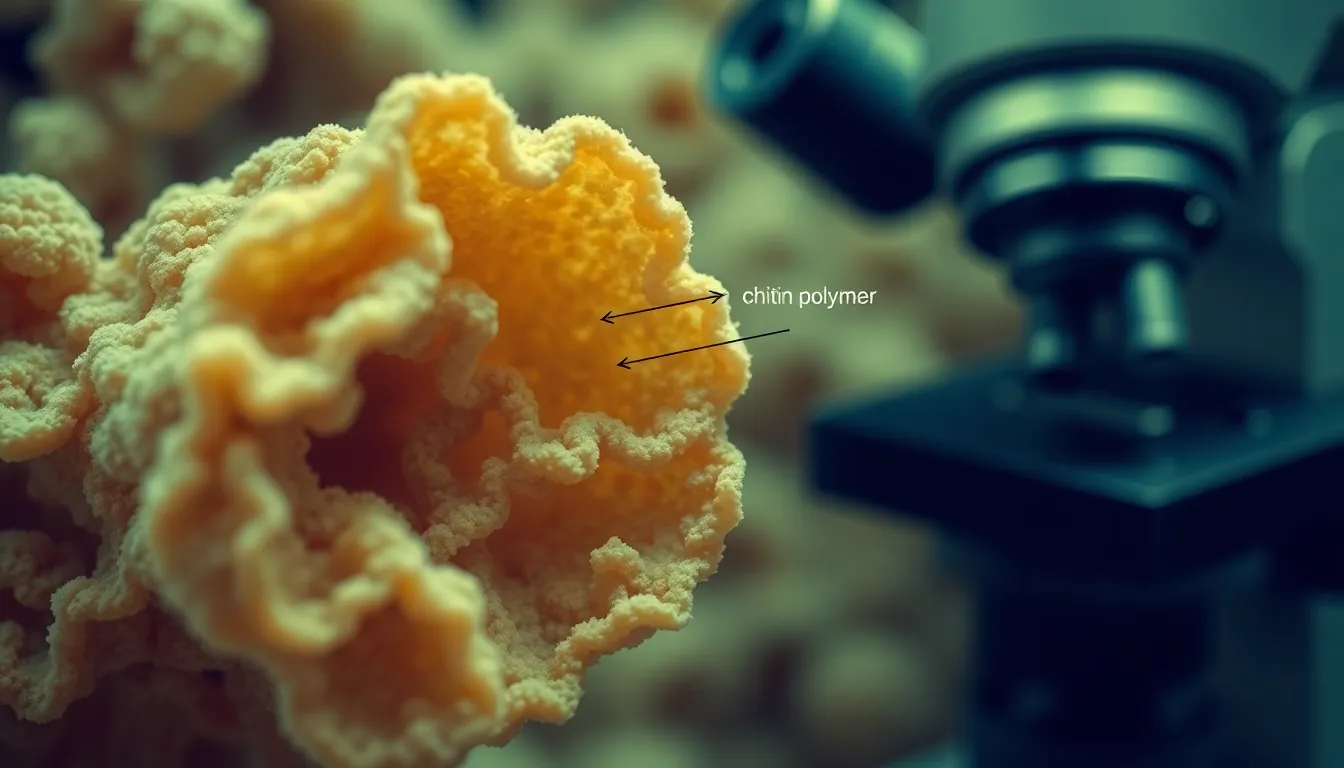
Fungi exhibit unique structures that contribute to their biological functions and ecological roles. Understanding these components highlights their importance in various environments.
Cell Wall Composition
Fungal cell walls primarily consist of chitin, a polymer made of N-acetylglucosamine. This composition provides structural integrity and protection against environmental stressors. The presence of chitin differentiates fungi from other life forms. In addition to chitin, certain fungi possess glucans, contributing to the cell wall’s rigidity and strength. These components work together to support the fungi’s growth and reproduction.
Differences from Plant Cell Walls
Plant cell walls mainly comprise cellulose, a polysaccharide that offers rigidity and structural support. Unlike fungi, plants do not utilize chitin, which sets the two kingdoms apart in terms of cellular structure. Additionally, plant cell walls are more permeable, allowing greater movement of substances. Conversely, fungal cell walls enable fungi to adapt to diverse environments through more selective permeability. These distinctions reinforce the evolutionary differences between the two kingdoms.
Function of the Cell Wall in Fungi
The cell wall in fungi serves key functions that are crucial for their survival. It provides protection and support as well as aids in growth and development.
Protection and Support
Fungal cell walls primarily consist of chitin, a fibrous material that offers significant structural support. This chitin provides a strong barrier against environmental stressors, such as pathogens and harsh weather conditions. By maintaining cell integrity, fungi can survive in various habitats. Additionally, some fungi incorporate glucans into their cell walls, enhancing their resilience and rigidity. The combination of chitin and glucans fortifies the wall, allowing fungi to thrive in diverse ecosystems while minimizing damage from external influences.
Role in Growth and Development
The cell wall plays a vital role in the growth and development of fungi. It regulates turgor pressure, which is essential for maintaining cellular shape and function. As new cells form, the cell wall expands, allowing the mycelium to grow and spread effectively. This capability enables fungi to explore their environment in search of nutrients. Moreover, during reproduction, the cell wall structure must adapt for spore formation and dispersal, ensuring the propagation of the species. The flexibility and adaptability of the cell wall contribute significantly to the overall growth strategies of fungi.
Types of Fungal Cell Walls
Fungal cell walls exhibit unique characteristics that set them apart from those of plants and bacteria. Their composition plays a vital role in their structural integrity and biological functions.
Chitin-Based Walls
Chitin serves as the primary component in most fungal cell walls. This polymer offers significant protection against environmental stressors. Many fungi rely on chitin for structural support, which ensures they maintain their shape and function. Chitin chains link together to form a robust network, providing strength to the overall architecture of the cell wall. Effects of this structure include resilience against physical damage and pathogen invasion. Various fungi, such as those in the Ascomycota and Basidiomycota divisions, depend on chitin to thrive in diverse habitats.
Glucan and Other Components
Glucans complement chitin in fungal cell walls, enhancing their rigidity and strength. These polysaccharides contribute to the cell wall’s overall resilience and functionality. Different fungi utilize varying types of glucans, which can impact their structural properties. Some species incorporate other molecules, such as mannoproteins, adding complexity to the wall and influencing its properties. The combination of chitin, glucans, and proteins creates a flexible yet robust barrier that adapts based on environmental conditions. This adaptability aids fungi in colonizing diverse niches while ensuring survival against external challenges.
Scientific Perspectives on Fungal Cell Walls
Fungi possess distinct cell walls that primarily consist of chitin. This polymer not only provides structural integrity but also offers protection against environmental stressors. In numerous studies, researchers emphasize that glucans further enhance the rigidity and strength of these cell walls. Selective permeability characterizes fungal cell walls, allowing fungi to adapt to diverse environments.
Differences between fungal and plant cell walls highlight evolutionary distinctions. While plant cell walls are made of cellulose, fungal cell walls offer a different composition, resulting in unique functional advantages. The flexibility in fungal cell walls aids in regulating turgor pressure, a key factor for maintaining cellular shape and overall function.
Chitin chains form a robust network within the cell wall, making it resilient against physical damage and pathogen invasion. This strength plays a critical role in the survival of fungi across various habitats. Additionally, components such as mannoproteins introduce complexity and influence the properties of fungal cell walls.
Adaptations observed in fungal cell walls allow fungi to thrive in numerous ecosystems. Through protection, support, and growth regulation, cell walls enable fungi to implement effective growth strategies. Understanding these structures contributes to advancements in multiple fields, including biotechnology and environmental science.
Research continues to illuminate the significance of fungal cell walls in ecological contexts, revealing their broader implications in nutrient cycling and symbiotic relationships. Insights gained from studying these structures enhance knowledge regarding fungi’s roles in various environments. Overall, the complexity and functionality of fungal cell walls underscore their importance in the biological realm.
Fungi’s unique cell wall structure plays a vital role in their survival and ecological contributions. Composed mainly of chitin and enhanced by glucans, these walls provide necessary protection and support while allowing adaptability to diverse environments. This remarkable design not only differentiates fungi from plants and bacteria but also underscores their evolutionary significance. The intricate relationships fungi form with their surroundings further highlight their importance in nutrient cycling and ecosystem health. Understanding the complexities of fungal cell walls opens doors to advancements in biotechnology and deepens appreciation for their role in nature.