
In the vast universe of online gaming, few genres have captured the hearts—and wallets—of players quite like MOBAs. But before the likes of League of Legends and Dota 2 dominated the scene, there was a humble little game that sparked the revolution. It’s time to take a trip down memory lane and uncover the origins of the first MOBA, where strategy met chaos in a delightful dance of pixels and pixels.
History Of MOBAs
The Multiplayer Online Battle Arena genre emerged from a blend of gaming concepts and community-driven creativity. Its development marked a milestone in online gaming history.
The Birth Of Multiplayer Online Battle Arenas
Dota: Allstars set the foundation for MOBAs around 2003. Players controlled unique characters in team-based battles, emphasizing strategy and collaboration. As the mod gained traction, it inspired numerous variations, leading to a rapid rise in popularity. Community engagement played a crucial role in refining gameplay and balancing elements. By the time League of Legends launched in 2009, MOBAs had established themselves as a definitive genre.
Early Inspirations And Influences
Real-time strategy games provided essential elements for the MOBA genre. Titles like StarCraft introduced mechanics that emphasized resource management and tactical decision-making. The influence of RPGs contributed character development and abilities. Furthermore, the modding scene flourished, allowing players to create custom maps and gameplay styles. These early inspirations laid the groundwork for the complex strategies and competitive nature seen in modern MOBAs.
The First MOBA Game
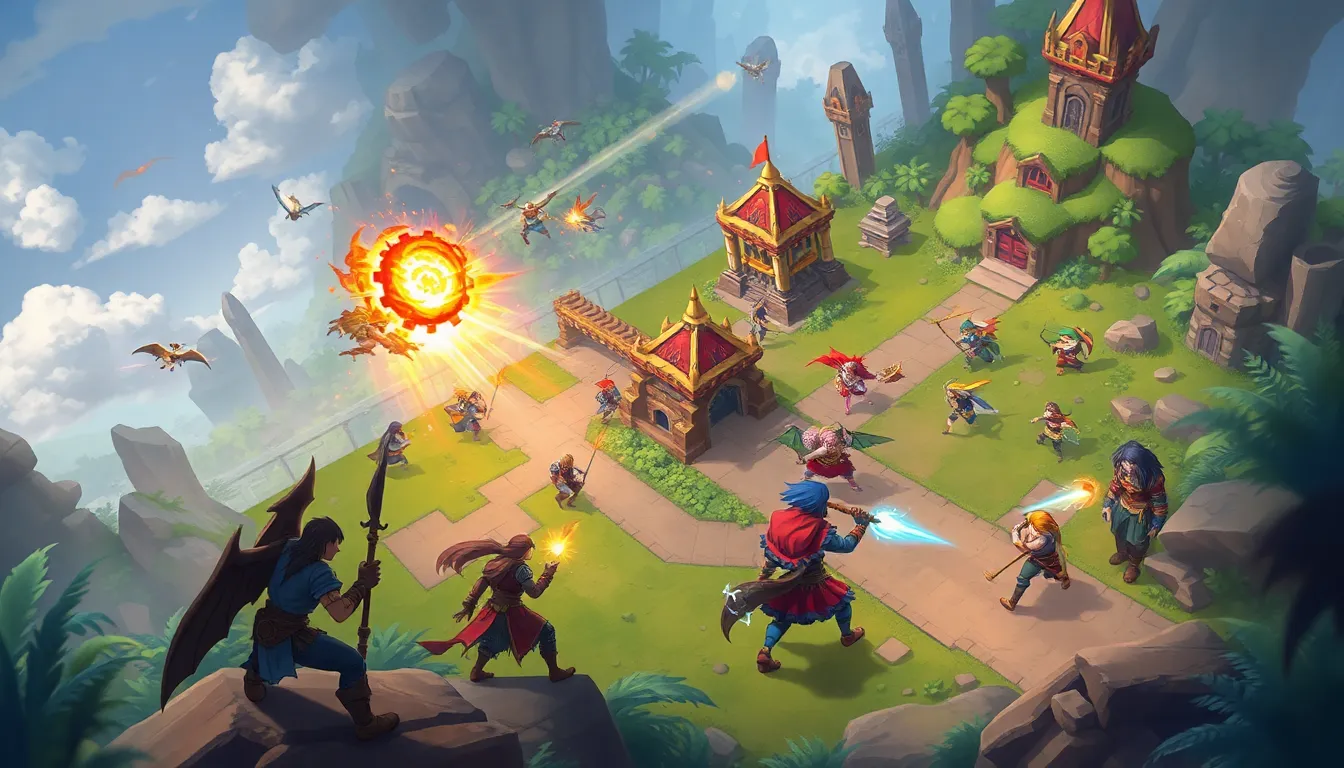
The first notable MOBA game, Defense of the Ancients (DotA), significantly influenced the genre’s development. Originating as a mod for Warcraft III: Reign of Chaos, DotA introduced players to team-based combat that required strategic thinking and collaboration.
Defense Of The Ancients (DotA)
DotA emerged in 2003 as a community-driven mod, revolutionizing multiplayer gaming. It featured intense battles between two teams, each striving to destroy the opposing team’s Ancient. Players selected heroes from a roster, each with unique abilities and roles, making gameplay dynamic and engaging. The mod’s continuous updates and community feedback refined gameplay, leading to widespread acclaim and a loyal player base.
Key Features That Defined DotA
Several features defined DotA and contributed to its success. Character selection offered diverse heroes with distinct abilities, fostering strategic depth. Teamwork proved essential, as players needed to coordinate effectively to secure objectives. Map design included tactical elements like jungle areas, adding layers of complexity. Finally, economic aspects, such as earning gold through kills, influenced hero progression, emphasizing the importance of resource management.
Evolution Of The Genre
The MOBA genre evolved rapidly after its inception, transforming the landscape of online gaming. Players engaged in strategic battles, leading to significant advancements in gameplay.
From DotA To MOBAs As We Know Them
DotA laid the groundwork for modern MOBAs. Players controlled heroes with unique abilities in team-based matches to destroy opponents’ structures. Various elements emerged from DotA, including lane mechanics and character roles, which became staples in later games. The modification set a precedent for community engagement, influencing future developments. Players contributed feedback and strategies, encouraging developers to refine mechanics over time. This collaborative environment sparked a surge in MOBA popularity.
Rise Of Popular Titles
The genre’s ascent saw the introduction of many beloved titles. League of Legends and Dota 2 emerged as prominent figures, attracting millions of players worldwide. Each title built on the foundation established by DotA, offering diverse gameplay experiences. Unique character designs and extensive lore enriched the gaming experience, appealing to a broad audience. Competitive play also gained traction, leading to eSports tournaments with substantial prize pools. The success of these games solidified MOBAs as a mainstream genre in the gaming industry.
Impact On Gaming Culture
The MOBA genre significantly shaped gaming culture. It introduced new levels of strategy, teamwork, and competitive play.
Competitive Scene And E-Sports
Competitive gaming evolved rapidly with the rise of MOBAs. Tournaments emerged, offering substantial prize pools that attracted professional gamers. Events like The International showcased top players showcasing skills in high-stakes battles. The competitive scene flourished, driving player engagement and audience interest. Esports organizations formed around successful teams, creating fan bases eager for matches. With extensive media coverage, MOBAs gained recognition as legitimate sports. This surge in visibility encouraged more players to join, enriching the overall gaming landscape.
Community Development And Modding
Community involvement enriched the MOBA genre. Players actively contributed to game development through feedback and modding. Successful titles like DotA began as mods, demonstrating the power of player creativity. Modding allowed for unique interpretations of game mechanics, inspiring further innovations. Developers embraced community ideas, leading to refined gameplay and features. This interaction fostered a sense of ownership among players, strengthening loyalty to the genre. As players engaged in discussions and collaborations, gaming communities thrived, creating dynamic environments and lasting friendships.
Current Trends In MOBAs
MOBAs continue to evolve, shaping player experiences with new innovations and gameplay mechanics. Recent trends reflect a shift towards more strategic gameplay and accessibility features.
Innovations And Gameplay Mechanics
Developers are introducing innovative mechanics to enhance gameplay experiences. Adaptive matchmaking has improved competitive balance, ensuring players face opponents with similar skill levels. Additionally, cross-platform play allows users on different devices to enjoy games together. MOBA titles also incorporate new character abilities, emphasizing diverse tactics in team compositions. Integrating seasonal events and dynamic maps creates fresh content, keeping players engaged. These innovations foster competitive gameplay, making MOBAs more appealing to a broader audience.
Future Of The MOBA Genre
The future of MOBAs looks promising, with trends indicating further growth. Emerging technologies like VR and AR may redefine gameplay experiences, immersing players deeper into the action. As mobile gaming expands, developers are focusing on creating mobile-friendly versions to reach a wider audience. eSports involvement is likely to increase, attracting more brands and investment into competitive tournaments. The genre’s adaptability to player feedback ensures that it remains relevant, catering to evolving community preferences. MOBA games are set to continue their strong presence in gaming culture for years to come.
The journey of the MOBA genre showcases its remarkable evolution from the early days of DotA to the current landscape filled with innovative titles. This genre has not only shaped online gaming but also created a vibrant community that thrives on strategy and teamwork. As developers continue to push boundaries with new mechanics and accessibility, the future remains bright for MOBAs.
With the rise of eSports and an expanding player base, the genre’s influence on gaming culture is undeniable. The adaptability of MOBAs ensures they will remain a staple in the gaming world, captivating players with engaging experiences for years to come.