
In the chaotic world of Multiplayer Online Battle Arenas (MOBAs), lane assignments can feel like a game of musical chairs—except nobody’s dancing, and the stakes are higher than your last family reunion. Understanding lane assignments isn’t just a tactical necessity; it’s the secret sauce that can turn a good team into a great one. Whether you’re a seasoned pro or a fresh-faced newbie, mastering these assignments can make the difference between victory and a swift exit to the respawn screen.
Understanding MOBA Lane Assignments
Lane assignments in Multiplayer Online Battle Arenas (MOBAs) heavily influence a team’s strategy and performance. Mastering these assignments boosts a player’s impact on the game.
The Importance of Lane Assignments
Lane assignments dictate how a team distributes its heroes and resources across the map. Winning lanes can lead to controlled objectives, increased experience points, and resource advantages. Teams that effectively communicate lane assignments often gain a significant edge. Establishing clear assignments helps avoid chaos during gameplay. Each lane’s dynamics can influence team tactics, making it essential for players to understand their roles. Success in MOBAs often hinges on the careful allocation of champions to lanes.
Roles and Responsibilities in Each Lane
Each lane features specific roles tailored for optimal performance. The top lane typically accommodates tanks or bruisers, providing durability and occupying enemy resources. Mid lane serves as a hub for mages or assassins, focusing on burst damage and map control. Bottom lane usually consists of support and carry pairs, where the support guards the ADC, enhancing their survivability. Jungle players roam between lanes, securing objectives and assisting teammates as needed. Understanding these roles leads to more effective teamwork and better strategic choices throughout the match. Each position has unique responsibilities crucial for a cohesive team dynamic.
Types of MOBA Lane Assignments
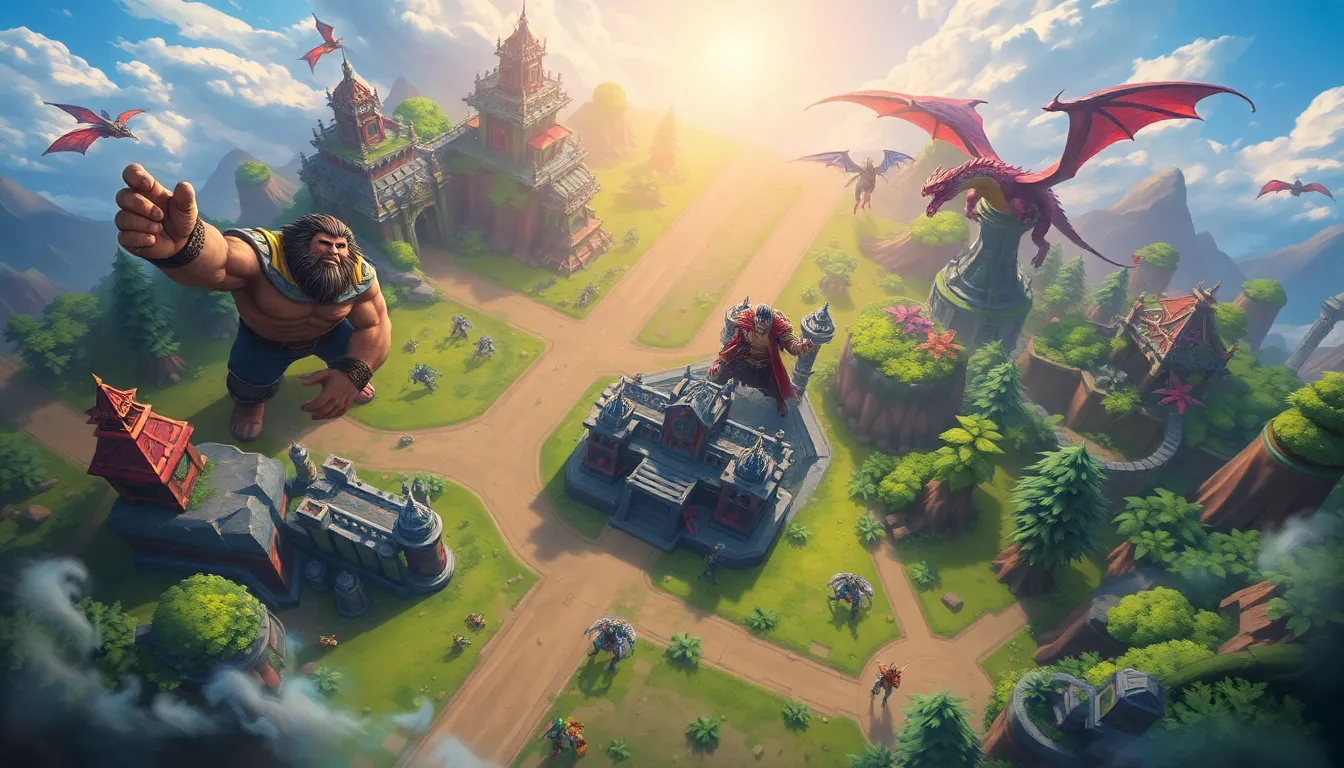
Lane assignments play a pivotal role in shaping gameplay strategies in MOBAs. Understanding the different types helps players optimize their performance.
Solo Lane
The solo lane typically features one champion, often a bruiser or tank. These characters benefit from the extra experience and gold gained from farming alone. Champions in the solo lane focus on gaining an advantage against their opponents through individual skill and strategic play. Players can control objectives like towers and dragons more effectively when they dominate their lane. Solo lane positions are crucial for late-game viability as they scale into powerful damage dealers or frontline defenders. An example of a strong solo-laner includes champions like Darius or Renekton, excelling in one-on-one duels and being a significant threat to the enemy team.
Duo Lane
Duo lanes consist of two champions, typically a carry and a support. The carry often prioritizes damage output while the support provides healing, crowd control, or protective abilities. This dynamic allows for strategic engagements and coordinated team fights. Players can create synergy by combining their skills to pressure opponents while securing resources. Champions like Jinx or Kai’Sa pair well with supports such as Leona or Lulu, enhancing their effectiveness during early game clashes. Working together, duo lane players can establish map control and contribute to broader team objectives such as securing the dragon or pushing towers.
Jungle
Jungle roles involve roaming between lanes to assist teammates and secure objectives. Junglers provide valuable map presence by ganking lanes and applying pressure where needed. Champions in this role often have abilities that allow them to engage or disengage effectively. Players prioritize vision control, using wards to prevent enemy ambushes and support their team’s movements. Popular jungle champions include Lee Sin and Elise, known for their mobility and crowd control capabilities. Establishing proper lane communication boosts team synergy, making the jungle a vital component in securing victories.
Strategies for Effective Lane Assignments
Effective lane assignments hinge on clear communication and adaptability during matches. Mastering these strategies provides a significant edge for teams seeking victory.
Communicating with Your Team
Communicating with team members enhances lane assignments. Assign roles early to establish expectations. Players should regularly update their teammates on enemy movements and objectives. Use pings to signal danger or incoming ganks, ensuring everyone stays vigilant. Sharing information about cooldowns and summoner spells also aids in making informed decisions. Fostering an environment of support and feedback encourages collaboration and positive gameplay experiences.
Adapting to Opponent Tactics
Adapting to opponent tactics proves critical in MOBAs. Observing enemy strategies and adjusting lane assignments can shift the match’s momentum. When opponents show aggression in a lane, consider rotating champions to counter effectively. Analyzing enemy compositions helps identify weaknesses and informs strategic choices. Players should remain flexible, allowing for quick adjustments based on the dynamic state of the game. Utilizing vision tools assists in anticipating opponent movements, enhancing overall team response.
Common Mistakes in Lane Assignments
Mistakes in lane assignments can undermine team effectiveness and lead to losses. Recognizing these errors helps players adjust their strategies.
Overextending in Lanes
Overextending in lanes often leads to unnecessary deaths. Positioning too far into enemy territory makes champions vulnerable to ganks from junglers. Players should prioritize safety and retreat when under pressure. A cautious approach fosters better map control and maintains a stronger lane presence. Observing enemy movements can help identify when to push and when to back off. This careful balance ensures champions gather resources without sacrificing their safety.
Ignoring Map Awareness
Ignoring map awareness negatively impacts lane assignments. Players often miss key information about enemy positions and objectives. Consistent tracking of minion waves and enemy movements enhances decision-making. Utilizing pings to communicate dangers or requests can significantly improve team coordination. Keeping an eye on the mini-map allows players to anticipate ganks and adjust their behavior accordingly. Active engagement with the map involves adjusting strategies based on the unseen threats and opportunities. This practice strengthens overall team performance through informed decision-making.
Mastering lane assignments in MOBAs is essential for achieving success in competitive gameplay. Players who understand their roles and communicate effectively can create a strategic advantage that leads to victory. By recognizing the importance of each lane and adapting to the dynamic nature of the game, teams can enhance their performance and outmaneuver opponents.
Avoiding common pitfalls such as overextending and neglecting map awareness can significantly improve a team’s chances of winning. With a focus on clear communication and adaptability, players can navigate the complexities of lane assignments and contribute to a cohesive team strategy. Embracing these principles will not only elevate individual gameplay but also strengthen overall team synergy.