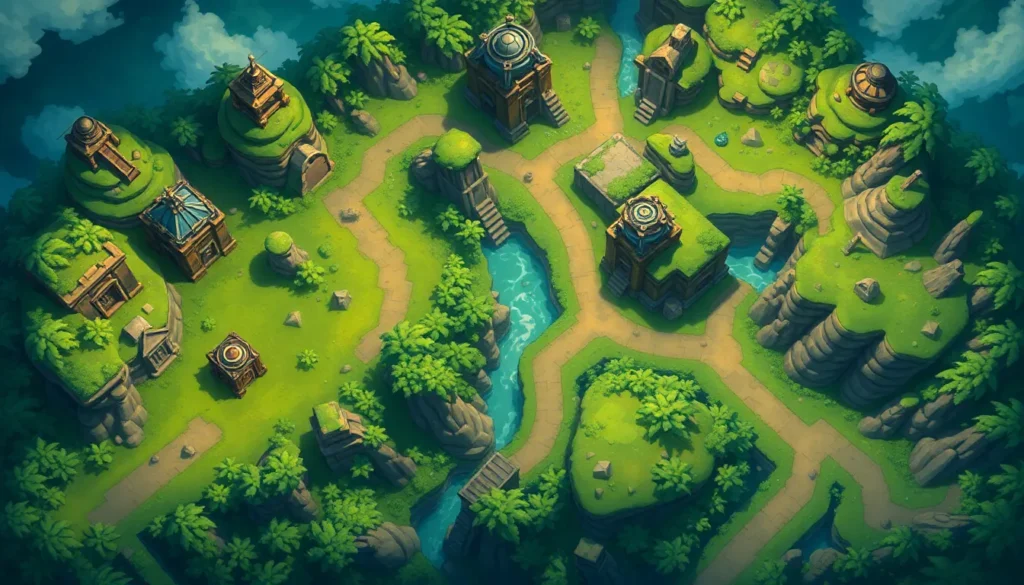
In the fast-paced world of Multiplayer Online Battle Arenas (MOBAs), the battlefield isn’t just a backdrop; it’s the heart and soul of the game. A well-crafted map can turn a good game into a legendary showdown, where strategy and creativity collide. Imagine a place where every corner holds secrets and every lane tells a story—this is the magic of MOBA map design.
But let’s face it: not all maps are created equal. Some are masterpieces, while others feel like a maze designed by a cat on a caffeine high. It takes more than just a few trees and a couple of towers to create an engaging experience. Dive into the art and science of MOBA map design, where balance, flow, and a sprinkle of chaos come together to keep players on their toes and coming back for more.
Overview of MOBA Map Design
Map design remains a crucial aspect of Multiplayer Online Battle Arenas. Creators prioritize balance, ensuring that no single team holds a consistent advantage. Effective maps encourage strategic decision-making, pushing teams to adapt their playstyles and tactics.
Flow plays a significant role in keeping players engaged throughout the match. Smooth transitions between lanes and objectives facilitate fast-paced gameplay. Designers often introduce various paths and shortcuts, allowing teams to maneuver strategically while keeping the element of surprise intact.
Incorporation of distinct terrains and features adds depth to gameplay. Unique areas can offer advantages or disadvantages depending on the situation. Players must navigate through jungles, lanes, and objectives while considering their surroundings and potential hazards.
Each MOBA map frequently includes key objectives, such as turrets, inhibitors, or jungle camps. These elements often dictate team strategies and encourage collaboration. Teams that effectively control objectives can create opportunities for victories, leading to dynamic interactions during matches.
Consideration of visual aesthetics enhances the overall experience as well. Attractive graphics and thematic designs immerse players, contributing to the atmosphere. Engaging visuals can reinforce a game’s narrative and strengthen connections to characters and lore.
Overall, successful MOBA map design embodies a blend of strategy, flow, and aesthetic appeal. Designers must navigate complexities to create environments that challenge players while providing enriching experiences. Such maps reflect a balance between creativity and functionality, paving the way for memorable gaming sessions.
Key Elements of MOBA Maps
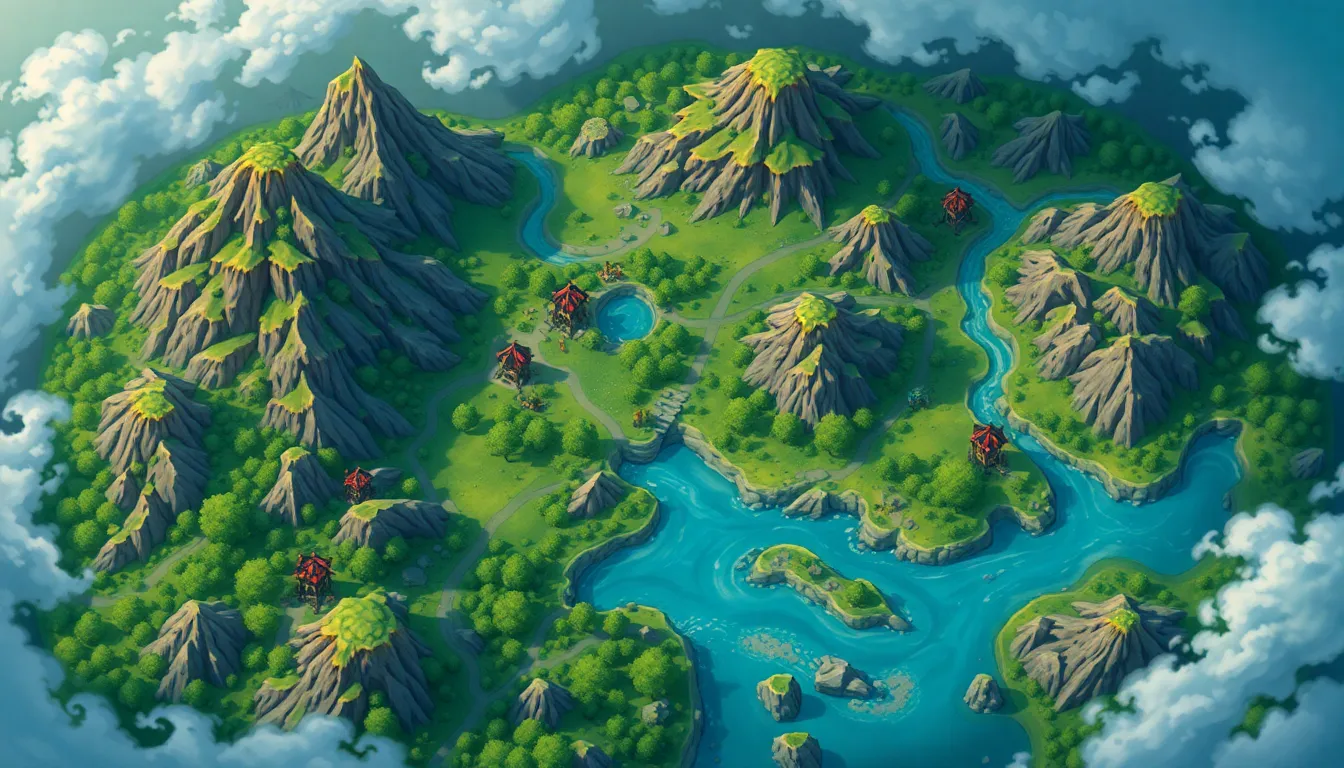
A successful MOBA map incorporates various elements that enhance gameplay and strategy. Understanding these key components can significantly impact player experience and engagement.
Terrain Features
Terrain features create diverse gameplay environments. Designers utilize elevation changes, obstacles, and unique landscapes to affect player movement and strategy. Various terrains, such as forests, mountains, and rivers, offer players tactical advantages. Layouts often include areas for ambushes or retreats, adding depth to engagement and decision-making. These features encourage players to explore different approaches and adapt to shifting circumstances.
Strategic Locations
Strategic locations serve as focal points on the map. Key positions, like jungle camps, control points, and turrets, influence team dynamics and require collaboration. Teams frequently contest these areas to gain advantages, leading to crucial battles. Control over these spots allows for strategic planning during matches. Players must communicate effectively to capitalize on gathered resources and secure objectives that could turn the tide of gameplay.
Lane Design
Lane design shapes the flow of matches. Each lane offers unique paths that dictate how players interact with one another. Clear lanes assist with navigation and encourage engagement, while jungle pathways provide opportunities for surprise attacks. Designers often create three distinct lanes, balanced for offensive and defensive strategies. Proper lane spacing allows for dynamic gameplay, prompting teams to strategize and adapt as matches unfold. Each lane’s design significantly impacts the overall pace and excitement of the game.
Balancing Game Play
Balancing gameplay ensures that matches remain competitive and enjoyable for all participants. Designers intentionally leverage features like symmetry and asymmetry, along with judicious resource distribution.
Symmetry vs. Asymmetry
Symmetrical maps present each team with identical conditions, which fosters fairness and equal opportunities. Asymmetrical designs, while potentially unbalanced, create varied strategic options, encouraging creativity in gameplay. Each approach influences team dynamics differently, dictating how players engage. Some popular titles, such as “League of Legends,” use asymmetrical elements to promote unique strategies tailored to different characters. Effective map designers find ways to balance these aspects, ensuring no team enjoys a systematic advantage without also fostering diverse playstyles.
Resource Distribution
Resource distribution plays a crucial role in game balance, as equitable access to resources enables fair competition. Essential elements, such as jungle camps and buffs, must align strategically across the map. Ensuring that resources can be contested encourages team fights and collaboration. Designers often place objectives in challenging locations, prompting players to devise tactics around them. As a result, thoughtful resource management implements excitement while contributing to overall match balance. Key terms like “gold,” “experience,” and “strategic positioning” resonate throughout gameplay, further enhancing player engagement.
Case Studies of Popular MOBA Maps
Map design in MOBAs varies significantly between games. Key examples demonstrate distinct approaches that enhance gameplay experiences.
League of Legends Map Design
League of Legends features the Summoner’s Rift. This map balances three lanes with a jungle, promoting strategic team dynamics. Visual elements create an immersive experience, where each lane dynamics varies in width and length. Strategic placements of turrets and inhibitors demand collaboration among players. Jungle areas introduce additional layers of strategy, offering opportunities for ambushes or resource acquisition. Each team’s side holds unique terrain features, creating asymmetrical advantages that encourage varied playstyles. The design allows for in-depth gameplay interactions that keep matches engaging.
Dota 2 Map Design
Dota 2’s Ancient map emphasizes balanced gameplay with its symmetrical layout. Three distinct lanes connect teams with opportunities for tactical engagements. Jungle areas provide resources while influencing strategies, where both teams share access to crucial buffs and camps. Elevation changes offer strategic advantages, allowing players to leverage high ground for vision and surprise attacks. Key objectives include Roshan, a powerful neutral objective, fostering intense competition. This design promotes diverse strategies and dynamic interactions among players, ensuring no match feels the same. Overall, Dota 2’s map showcases a thoughtful approach to balance, accessibility, and strategic depth.
Future Trends in MOBA Map Design
Emerging trends in MOBA map design emphasize the integration of evolving technologies. Developers increasingly use artificial intelligence to analyze player behavior and tailor maps to enhance user experience. Procedural generation, a method that creates content algorithmically, introduces unique elements in every game session, keeping gameplay fresh and unpredictable.
Virtual reality is also making its mark, offering immersive environments that allow players to navigate maps in entirely new ways. Enhanced spatial awareness can significantly change the dynamics of strategy and teamwork, leading to innovative approaches to play.
Another focus is the incorporation of environmental storytelling. Designers create maps that tell a story through their design elements, immersing players in the lore and enhancing engagement. This approach can foster deeper connections to the game, enriching the overall experience.
In addition, cross-platform compatibility is influencing map design. With players accessing games on various devices, creating maps that cater to different play styles becomes necessary. Adaptive designs must account for varying screen sizes and control schemes, ensuring a balanced experience across platforms.
As competitive gaming grows, focus on esports considerations continues to expand. Map design must support high-level play, promoting clarity and strategic depth. Spectator-friendly features, such as camera angles and highlights, enhance the viewing experience, which is crucial in attracting and retaining audiences.
Finally, community feedback will play an increasingly active role. Designers engage players through beta testing and community discussions, leading to maps that reflect gamers’ preferences and expectations. Building a collaborative relationship between developers and the player base will shape the future of MOBA map design, driving innovation and engagement.
MOBA map design is a crucial element that shapes the gaming experience. By focusing on balance flow and strategic depth designers create environments that engage players and encourage collaboration. The integration of emerging technologies and player feedback ensures that maps evolve to meet the needs of the community.
As the landscape of competitive gaming continues to change the future of MOBA maps promises to be dynamic and innovative. With thoughtful design players can expect unique experiences that enhance strategy and teamwork. Ultimately a well-crafted map not only enriches gameplay but also fosters a deeper connection between players and the game itself.